Why Your Car AC Stops Cooling in Traffic
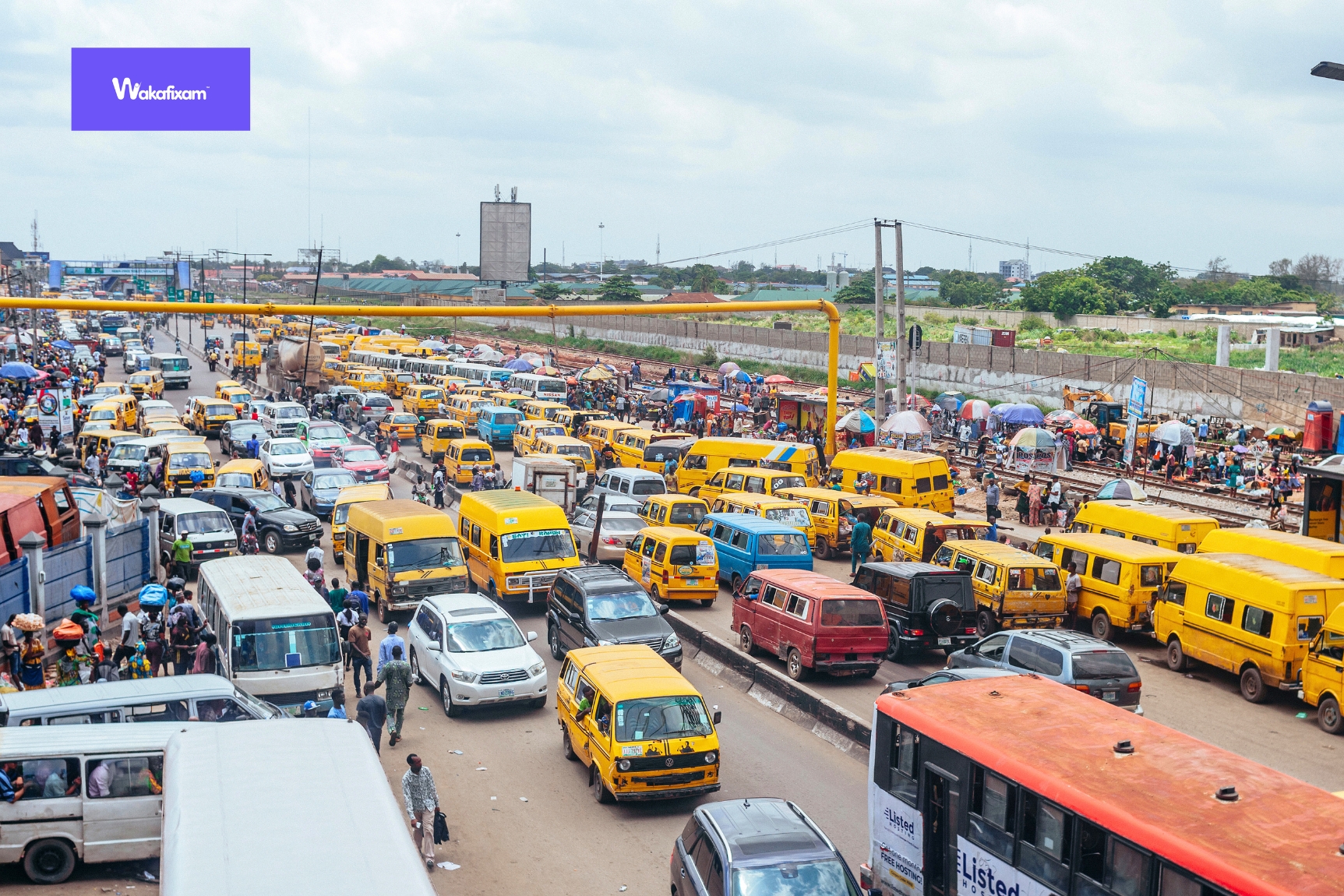
You’re driving on an open road and the AC feels perfectly cold. Then traffic builds up, the car slows down, and warm air suddenly starts blowing through the vents.
A lot of drivers think the AC gas is finished when this happens. Sometimes that’s true, but traffic-related AC problems usually point to something deeper inside the system.
The issue often starts with poor airflow, weak cooling performance, or pressure problems that only become obvious once the vehicle stops moving.
Ignoring the signs can make repairs more expensive later. A small fan problem today can eventually damage larger AC components if the system keeps running under stress.
If your car AC works only while driving, here’s what could be causing it.
Poor Airflow Around the Condenser
The condenser plays a major role in keeping your AC cold. Its job is to release heat from the refrigerant before cool air reaches the cabin.
When your car moves at normal speed, outside air flows naturally through the condenser. That constant airflow helps the system stay cool.
Traffic changes everything.
Once the vehicle slows down or stops, airflow drops sharply. If the condenser is already dirty or partially blocked, the AC struggles to remove heat efficiently.
Dust, leaves, road debris, and dirt buildup can reduce cooling performance faster than most drivers expect. In heavy afternoon traffic, the problem becomes even more noticeable because outside temperatures are already high.
A blocked condenser can make the AC feel weak during hold-ups even though it cools normally on open roads.
Faulty Cooling Fan
The cooling fan helps pull air through the condenser when the vehicle isn’t moving fast enough to create natural airflow.
If the fan becomes weak or stops working properly, the AC may cool only while driving.
This is one of the most common reasons behind a car AC not cooling in traffic.
You might also notice:
Engine temperature rising during long hold-ups
AC cooling becoming inconsistent
The fan turning on later than usual
Warm air appearing at traffic lights
Cooling fan problems often develop gradually. A weak motor, damaged relay, wiring issue, or electrical fault can reduce performance over time before the fan fails completely.
Because the symptoms come and go, some drivers delay repairs until the AC stops cooling entirely.
Low Refrigerant Levels
Refrigerant absorbs heat from inside the cabin and helps the AC system produce cold air.
When refrigerant levels drop, cooling efficiency drops with it.
Low refrigerant can still allow decent cooling while driving at higher speed because airflow helps compensate for the weaker system performance. Once the car sits in traffic, the lack of airflow exposes the problem more clearly.
Small refrigerant leaks usually happen slowly. Drivers often refill the gas repeatedly without checking where the leak is coming from.
That only delays the real repair.
If the refrigerant keeps dropping, the system pressure changes and the AC becomes less stable during hot weather and stop-and-go traffic.
Overheating Engine Affecting AC Performance
Your engine cooling system and AC system work closely together.
When engine temperature rises too high, AC performance can drop as well.
Traffic creates more heat around the engine because airflow through the radiator becomes limited. If the vehicle already has cooling system problems, the extra heat can affect the AC quickly.
Common causes include:
Low coolant levels
Faulty thermostats
Weak radiator fans
Blocked radiators
Cooling system leaks
Some vehicles automatically reduce AC performance when engine temperatures climb too high. This helps reduce strain on the engine temporarily.
If your temperature gauge rises during traffic while the AC becomes warm, the problem may involve both systems.
Weak Compressor Performance
The compressor circulates refrigerant through the AC system. Without proper compressor pressure, cooling becomes unstable.
A weak compressor may still function under lighter conditions but struggle once heat builds up during traffic.
This often causes:
Cold air while driving
Weak cooling at idle
Intermittent cooling
Clicking noises when the AC turns on
Internal compressor wear can develop slowly over time. In some cases, the compressor clutch also begins slipping once temperatures increase.
Replacing a compressor without proper testing can become expensive fast. A technician should confirm the exact cause before major parts get replaced.
Excess Heat Inside the Vehicle
Sometimes the AC system is already slightly weak, and traffic simply pushes it past its limit.
Cabin heat rises quickly during hot afternoons, especially in vehicles with dark interiors or poor window tint.
Frequent door opening also affects cooling stability because hot air keeps entering the cabin.
Even a healthy AC system works harder under these conditions. If cooling performance has already dropped due to another issue, traffic heat can make the problem feel much worse.
This is why some drivers notice the AC struggles more during daytime hold-ups than during evening drives.
Signs the Problem Needs Immediate Attention
Some symptoms suggest the issue is getting worse and shouldn’t wait any longer.
Watch for these warning signs:
Cooling becomes weaker every week
Warm air continues after traffic clears
Strange noises come from the engine area
Engine temperature rises during hold-ups
Water leaks appear inside the vehicle
Musty or unusual smells come from the vents
A small airflow issue can eventually damage larger AC components if the system keeps overheating under pressure.
Early diagnosis usually costs less than waiting for multiple parts to fail.
What You Should Avoid Doing
A lot of AC problems become worse because of temporary fixes or poor repair decisions.
Avoid repeatedly refilling refrigerant without checking for leaks. If the gas keeps dropping, the system has an underlying problem.
Avoid ignoring engine overheating while focusing only on the AC. Heat-related problems often affect both systems together.
Avoid delaying inspections because the AC still “works sometimes.” Intermittent problems usually become permanent later.
Avoid unqualified technicians who only treat symptoms without proper diagnosis. Quick fixes can hide the real issue for a short time while damage continues underneath.
How to Fix Car AC Problems Faster with Wakafixam
Finding a reliable technician during an urgent AC problem can waste time, especially when random contacts give inconsistent results.
Wakafixam helps drivers connect with nearby vehicle technicians faster instead of relying on guesswork.
Users can compare available professionals, check reviews, and make better repair decisions before booking service.
That matters when dealing with vehicle AC problems because early repairs often prevent larger system damage later.
If your car AC works only while driving or keeps blowing hot air in traffic, getting the issue checked quickly can save both money and downtime.
Traffic Usually Exposes Problems That Already Exist
A car AC that stops cooling in traffic usually points to an existing problem somewhere in the system.
The issue could involve airflow, refrigerant pressure, cooling fans, engine temperature, or compressor performance. Traffic simply exposes weaknesses that aren’t obvious at higher speeds.
Catching the problem early reduces the chances of larger repair costs later.
Consistent cooling depends on healthy airflow, balanced system pressure, and properly functioning components.
The sooner the system gets checked properly, the sooner your AC returns to normal during daily driving.