Spend Less, Save More This Month: 9 Apps Every Nigerian Needs to Download
The price of a bag of rice is not what it was two years ago. Neither is fuel, electricity, or a plate of food at your regular spot. Cost of transport is eating deep into your already overstretched budget. Utility bills are higher than expected. And despite not buying anything major, you are left with little or nothing.
The issue isn't always discipline. Most people aren't burning cash on purpose. The problem is that spending leaks here and there, through small, frequent purchases, poor tracking, and relying on habit instead of information. You buy from the first vendor you find because you don't know the alternatives. You pay more for a service because there's no easy way to compare prices. You split a bill with friends and somehow end up contributing more than your share.
Saving money isn’t just about spending less. It’s about having better habits and tools that make smart choices the default. The apps below do just that. Some put money into savings for you. Others help with buying in smarter ways, and stop you from losing money in ways you might not have noticed.
1. Cowrywise: Build Your Savings
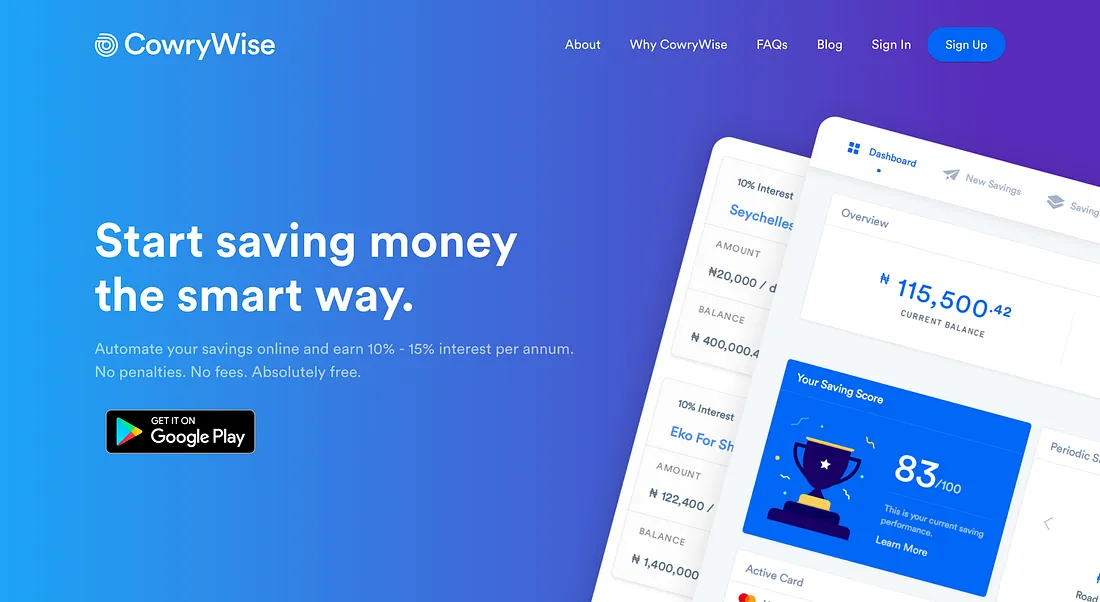
The most common reason people don't save consistently is that saving requires a decision. And decisions require willpower, which is unreliable. Cowrywise removes the decision entirely.
Once you set up a savings plan, the app automatically moves money from your account on a schedule you choose (daily, weekly, or monthly). You don't have to remember to save. You don't have to resist spending the money first. It's already gone, sitting in a savings plan before you get a chance to touch it.
You can build emergency funds, target savings for specific goals, or invest through its fund options. The interest rates on savings plans are also higher than what most commercial bank savings accounts offer.
Best for: Anyone who has said "I'll save what's left at the end of the month", and then never had anything left.
2. Wakafixam: Stop Overpaying for Services and Artisan Work
This is where a lot of money finds its way out of the pockets of most Nigerians, not on big purchases, but on services. Paying a plumber who quotes whatever he thinks you'll accept. Hiring an electrician based on a referral, only to need someone else to redo the job three weeks later. Paying a technician who charges more because you found him through word-of-mouth with no pricing standard.
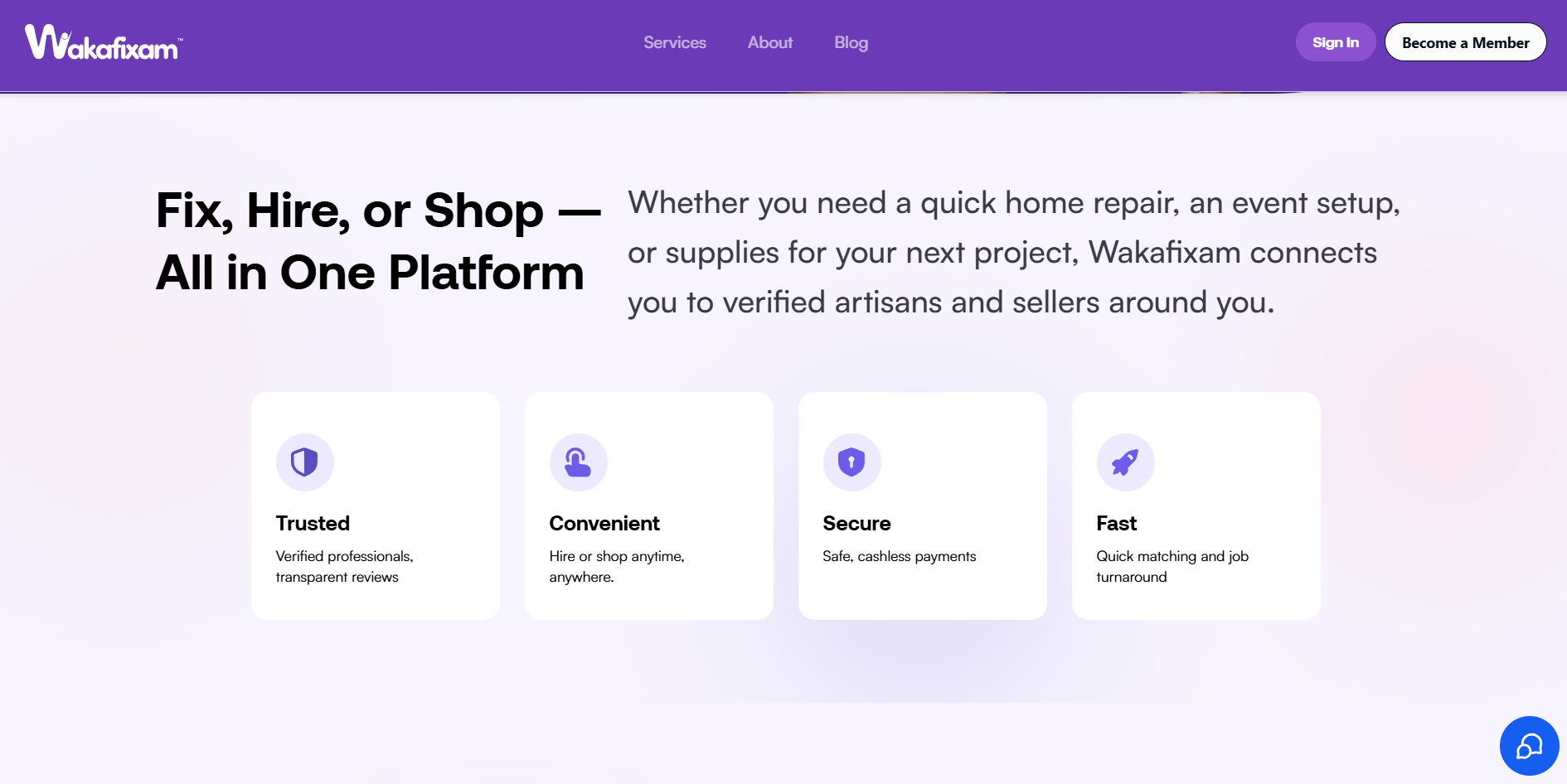
Wakafixam addresses this directly. The platform connects users to verified artisans, service providers, and merchants, with the ability to compare providers, see clear pricing upfront, and access discounted service offers. You're not guessing what a job should cost. You're comparing options and choosing based on actual pricing and ratings.
The financial case here is often invisible until you calculate it. The cost of a bad job isn't just what you paid the first person, it's what you pay to fix what they got wrong. Hidden charges, inflated quotes, and rework costs are not small. They're the kind of losses that happen repeatedly and never get tracked as the financial problem they actually are.
Wakafixam reduces that risk by making the selection process transparent. You know who you're hiring, what they charge, and what other people think of their work before any money changes hands.
Best for: Anyone who needs home or office repairs, maintenance, installations, or other services, and wants to compare several options, and pay a fair price for reliable, quality work.
3. PalmPay: Get Cashback on Money You're Already Spending
You're going to pay your bills regardless. You're going to buy airtime and data every month. The question is whether any of that spending comes back to you in any form.
PalmPay offers cashback on transactions, discounts on airtime and data purchases, and periodic bonuses for regular use. None of it is life-changing in isolation, but the point is consistency. Cashbacks on everyday spending, repeated across a full month, add up to money you'd otherwise just be leaving on the table.
The app also handles transfers, bill payments, and wallet-based transactions, making it a practical tool for daily financial activity, not just a discount platform.
Best for: Anyone who makes frequent small transactions and wants to extract some value from spending they're doing anyway.
4. PricePally: Buy Food in Bulk
Retail pricing punishes people who buy in small quantities. The person who buys one kilogram of rice pays more per kilogram than the person who buys five. Over the course of a month, those small per-unit differences translate into a real gap in total spending.
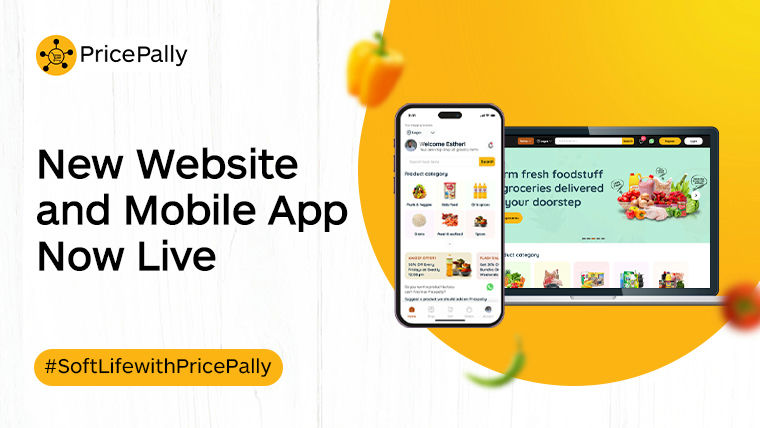
PricePally is built around a group buying model, users pool orders together to unlock bulk pricing on food items and household essentials. The result is that you pay closer to wholesale prices for things like rice, beans, cooking oil, and other staples without needing to buy commercial quantities on your own.
Beyond the price difference, buying in bulk also reduces how often you make small, frequent purchases. Every time you run out and buy a little more from a nearby store, you're paying retail again. Buying more at once, less often, cuts that cost consistently across the month.
Best for: Households and families with predictable food needs who want to stretch their grocery budget without changing what they eat.
5. FairMoney: Prevent Expensive Decisions Made Under Pressure
Financial emergencies are expensive. Not just because of the emergency itself, but because of the decisions made to deal with it. When you're short on cash and something urgent comes up, you make whatever deal is available, not the best one. You pay higher prices, accept bad terms, or borrow from sources that charge more than they should.
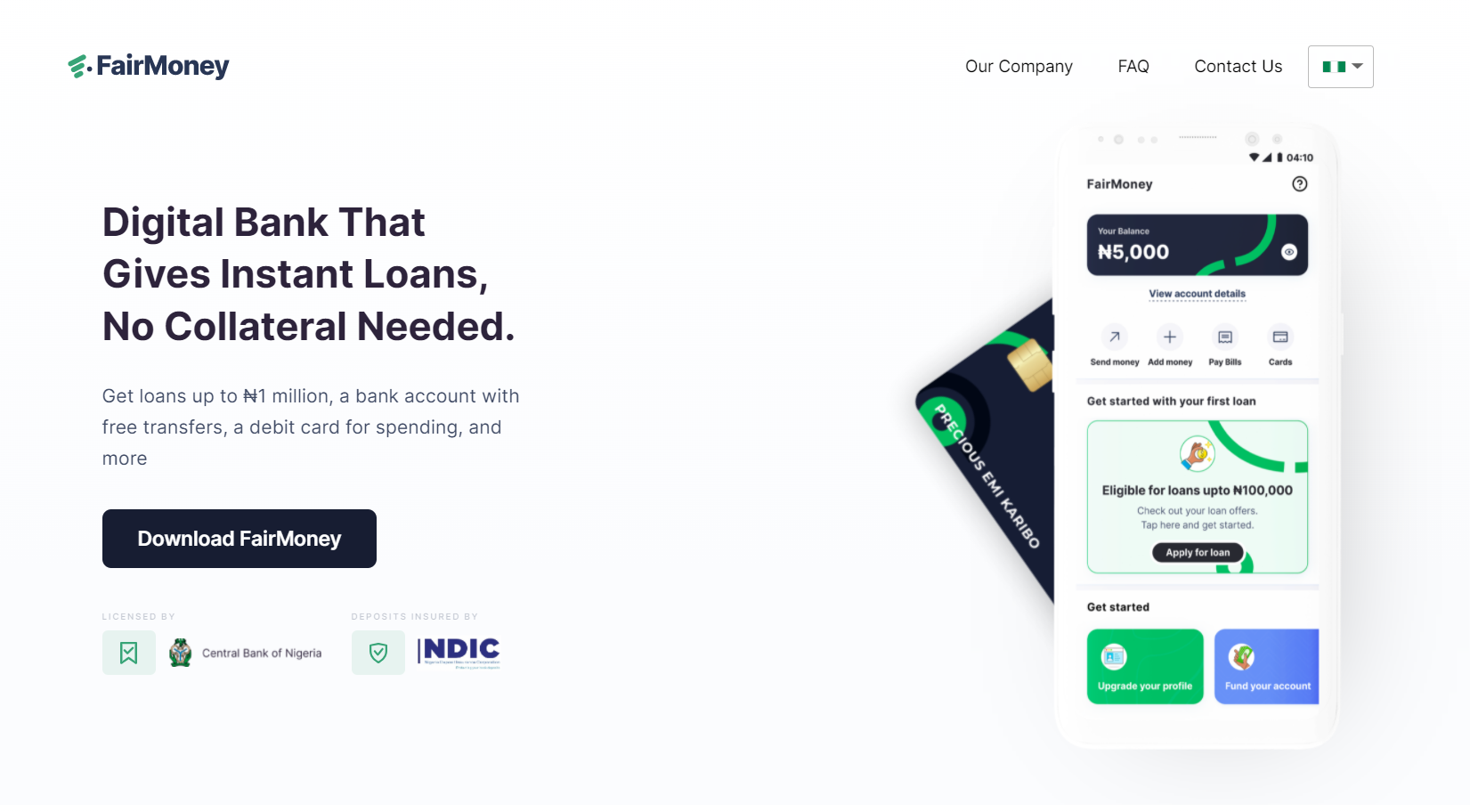
FairMoney provides access to short-term loans with a relatively fast approval process. The purpose here is not to encourage debt, it's to prevent the kind of desperate financial moves that cost more in the long run. A small loan at a defined interest rate, used to bridge a specific gap, is often cheaper than the alternatives people resort to when they have no other option.
Best for: Anyone who occasionally faces cash flow gaps between income and expenses and needs a reliable, structured option.
6. Splitwise: Make Sure You're Not Paying More Than Your Share
Group expenses sound simple: you split the bill. In practice, they're rarely clean. Someone paid for lunch and forgot to collect. Someone contributed less on a trip because they "wasn't around for part of it." Someone always seems to walk away having paid more than everyone else, but the math is too awkward to challenge in the moment.
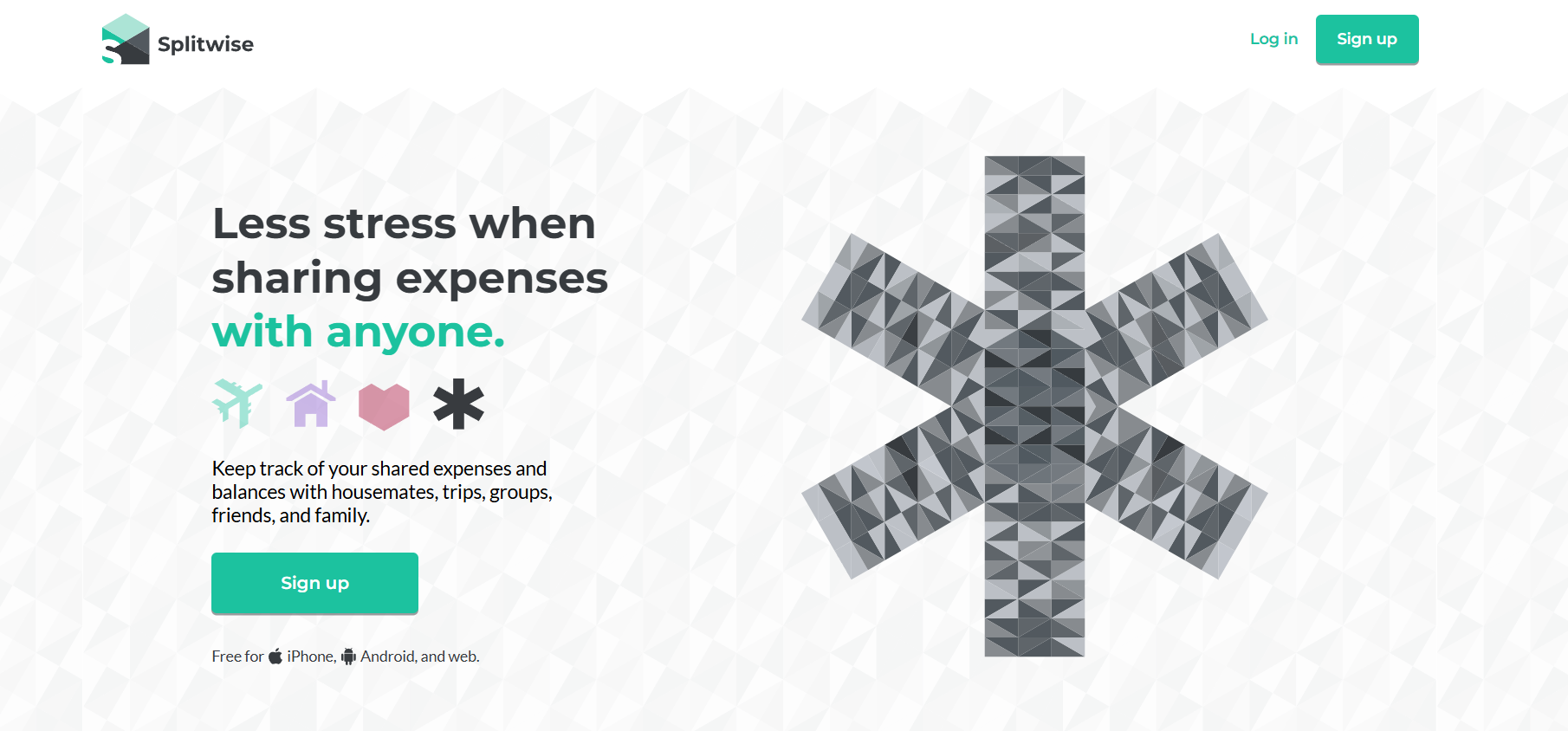
Splitwise tracks shared expenses, records who paid what, and calculates exactly who owes whom at any point. It removes the ambiguity that causes people to absorb costs they shouldn't be absorbing.
The losses here tend to be social, they happen in settings where you don't want to be the person keeping score. Splitwise keeps score without making it personal.
Best for: Anyone living with others, traveling in groups, or sharing recurring costs with friends or family.
7. Too Good To Go: Reduce What You Spend on Food Waste
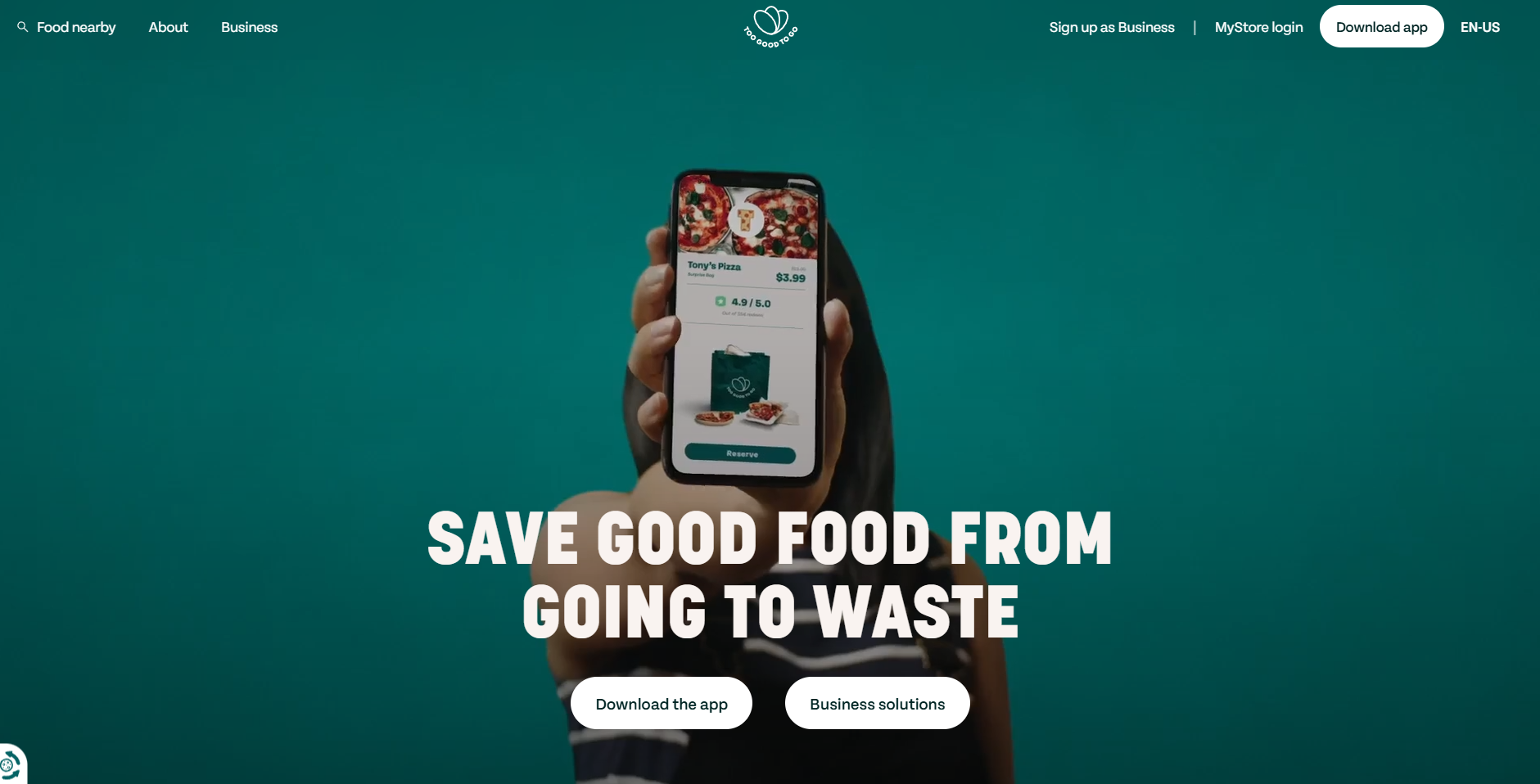
The concept behind Too Good To Go is straightforward: restaurants and food businesses often have surplus meals at the end of the day. Rather than discarding them, they sell them at reduced prices through the app.
While availability in Nigeria is still limited and the app hasn't scaled across the country, the principle is worth applying wherever possible. Buying food closer to closing time at restaurants or markets, negotiating for surplus produce, and planning meals to reduce the amount you throw out are all versions of the same logic.
If Too Good To Go isn't available in your area, the alternative is to identify local spots that offer end-of-day discounts on prepared food or surplus stock, and make a habit of using them.
Best for: Anyone looking to reduce monthly food spending without changing what they eat, just when and where they buy it.
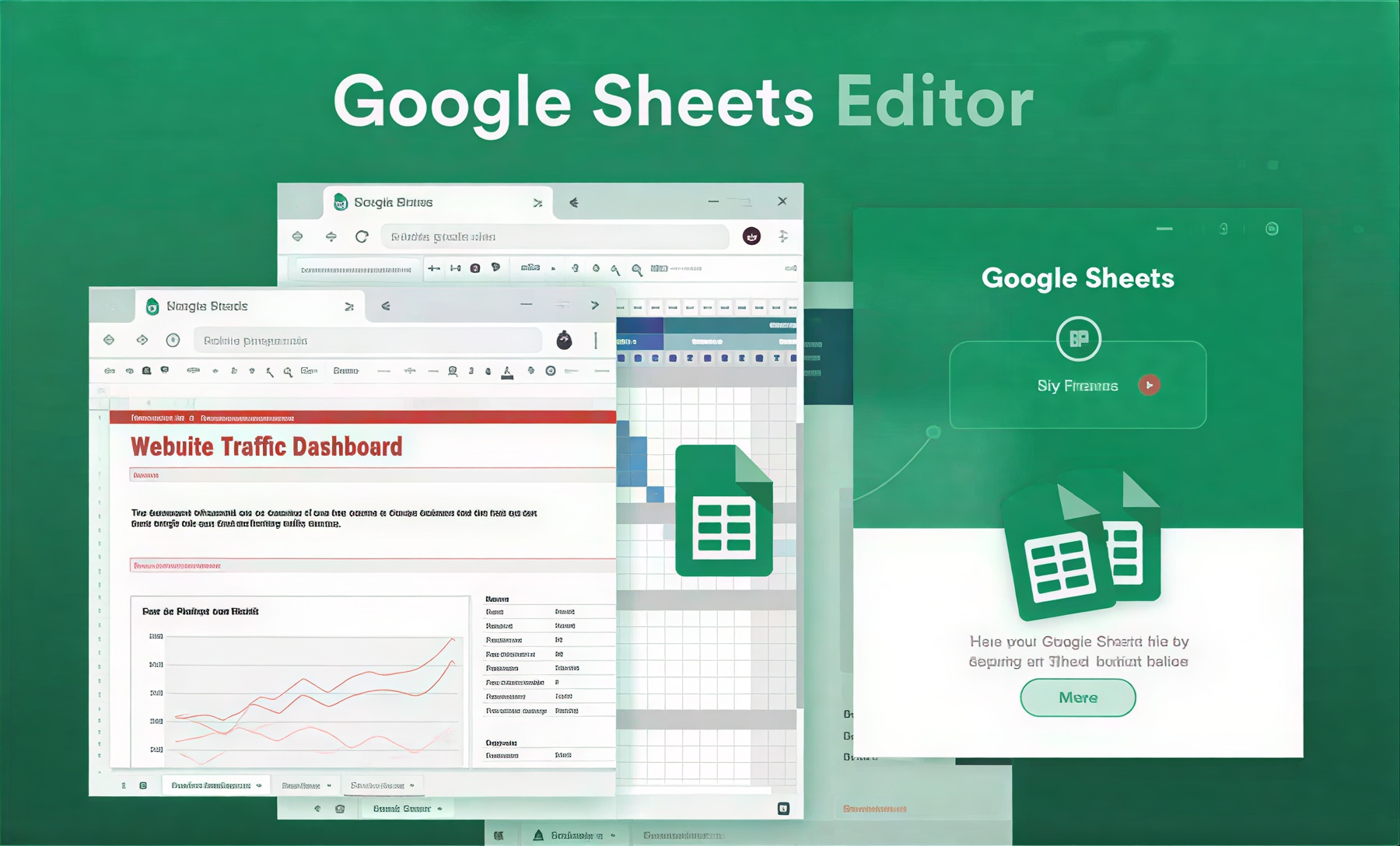
8. Google Sheets: For Budget and Tracking
You Can't Control What You Don't See.
There's a version of financial awareness that feels abstract: "I should spend less." There's a more useful version: knowing exactly that you spent ₦18,000 on food last month, ₦7,500 on transport, and ₦4,200 on small purchases you can't account for.
The second version requires tracking. Google Sheets works well for this - it's free, flexible, and forces you to log what you spend. Budget-specific apps like Money Manager or AndroMoney offer more structure if you prefer that. The tool matters less than the habit.
Tracking spending doesn't automatically cut it, but it creates awareness that makes better decisions easier. Once you can see where the money is going, the obvious leaks become hard to ignore.
Best for: Anyone who has reached the end of a month with less money than expected and genuinely had no idea where it went.
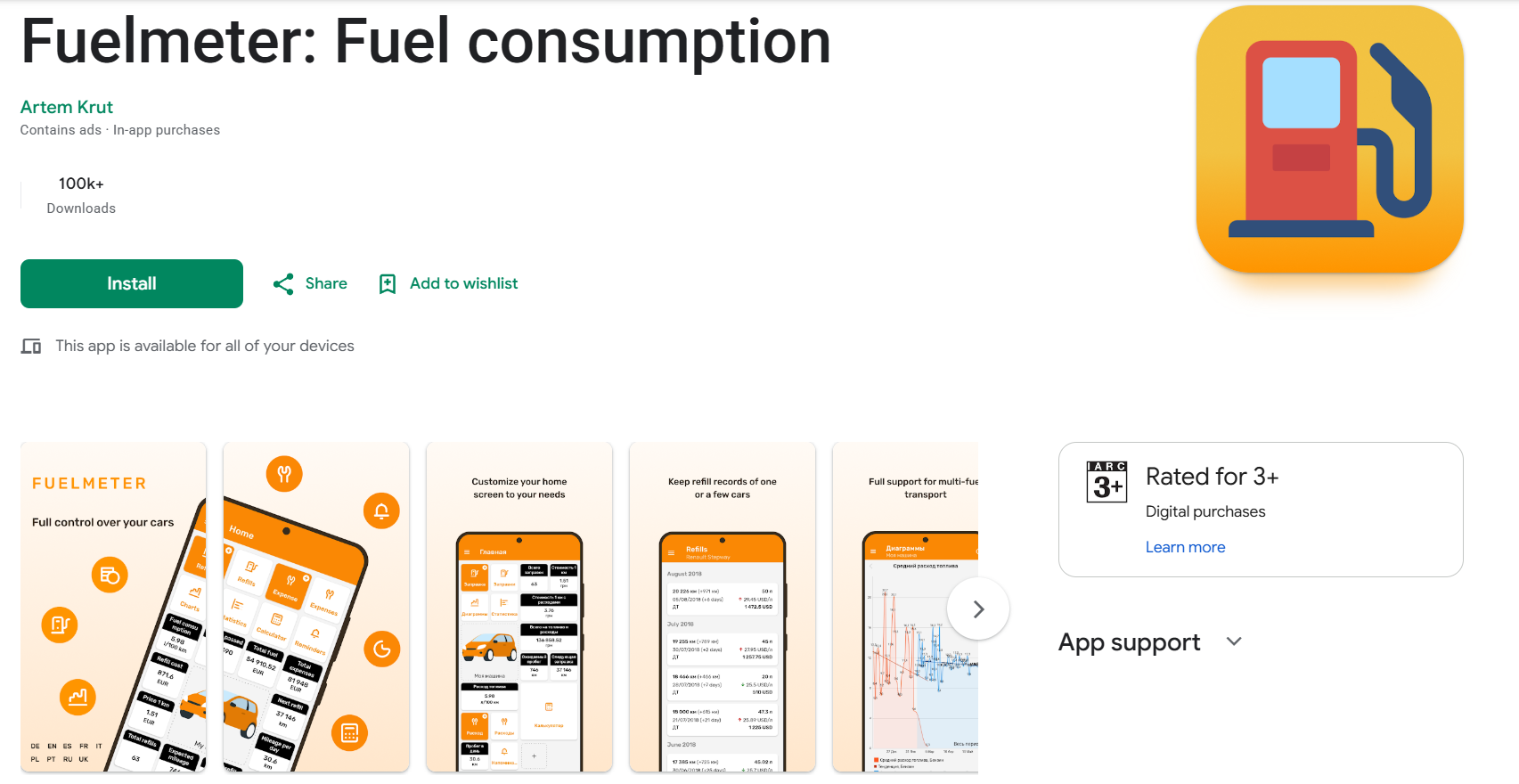
9. Fuel Monitor: Fuel Price Apps
Don't Pay More at the Pump Than You Have To.
Fuel prices in Nigeria are not uniform across stations. The difference between the cheapest and most expensive station near you may seem minor per litre , but if you fill up regularly, that difference compounds. Driving a few minutes further to save ₦30 per litre on a full tank adds up across a month and definitely across a year.
Fuel tracking apps help you identify which stations near you are currently offering the best prices. Given how frequently fuel prices shift, real-time information matters more than habit.
Best for: Anyone who drives regularly and currently refuels at the same station out of convenience rather than price awareness.
Saving More Is About Systems, Not Just Discipline
The apps on this list don't require you to cut everything you enjoy. They work by closing the gaps where money leaks out; overpriced services, poorly tracked group expenses, impulse retail purchases, and spending decisions made without enough information.
Wakafixam, in particular, addresses a kind of financial loss that most people never think to track: what you spend because you hired the wrong person, paid an unclear price, or had to fix a job that was done badly the first time. That kind of loss is silent and repeated, and a more transparent way to find and hire service providers directly reduces it.
The rest of the apps handle different parts of the same problem. Together, they cover savings automation, smarter shopping, daily transaction efficiency, credit access, and spending visibility.
You don't need to use all nine. Start with the one that addresses the area where you lose the most money right now. The point is to replace guesswork with better tools and keep more of what you earn.