Common Household Issues During the Rainy Season in Lagos (And Practical Ways to Fix Them)
The rainy season in Lagos changes daily life in ways every resident understands. A short afternoon downpour can leave roads under water, trigger hours of traffic, cut electricity, and expose hidden problems around the home. What begins as heavy rain can turn into leaking ceilings, damp walls, blocked drains, mosquito infestations, and damaged electrical appliances before the week ends.
These are familiar experiences across many parts of Lagos, from flood-prone neighborhoods to newer estates with poor drainage. The challenge is not the rain itself. The bigger problem is how quickly water finds weak points around a property that have gone unnoticed during the dry months.
Good preparation makes a noticeable difference. Small maintenance jobs completed before or during the rainy season often prevent repairs that cost several times more later. Whether you own your home or rent an apartment, understanding the most common household problems during the rainy season helps you protect your property, reduce health risks, and avoid unnecessary expenses.
1. Flooded Compounds and Water Entering the House
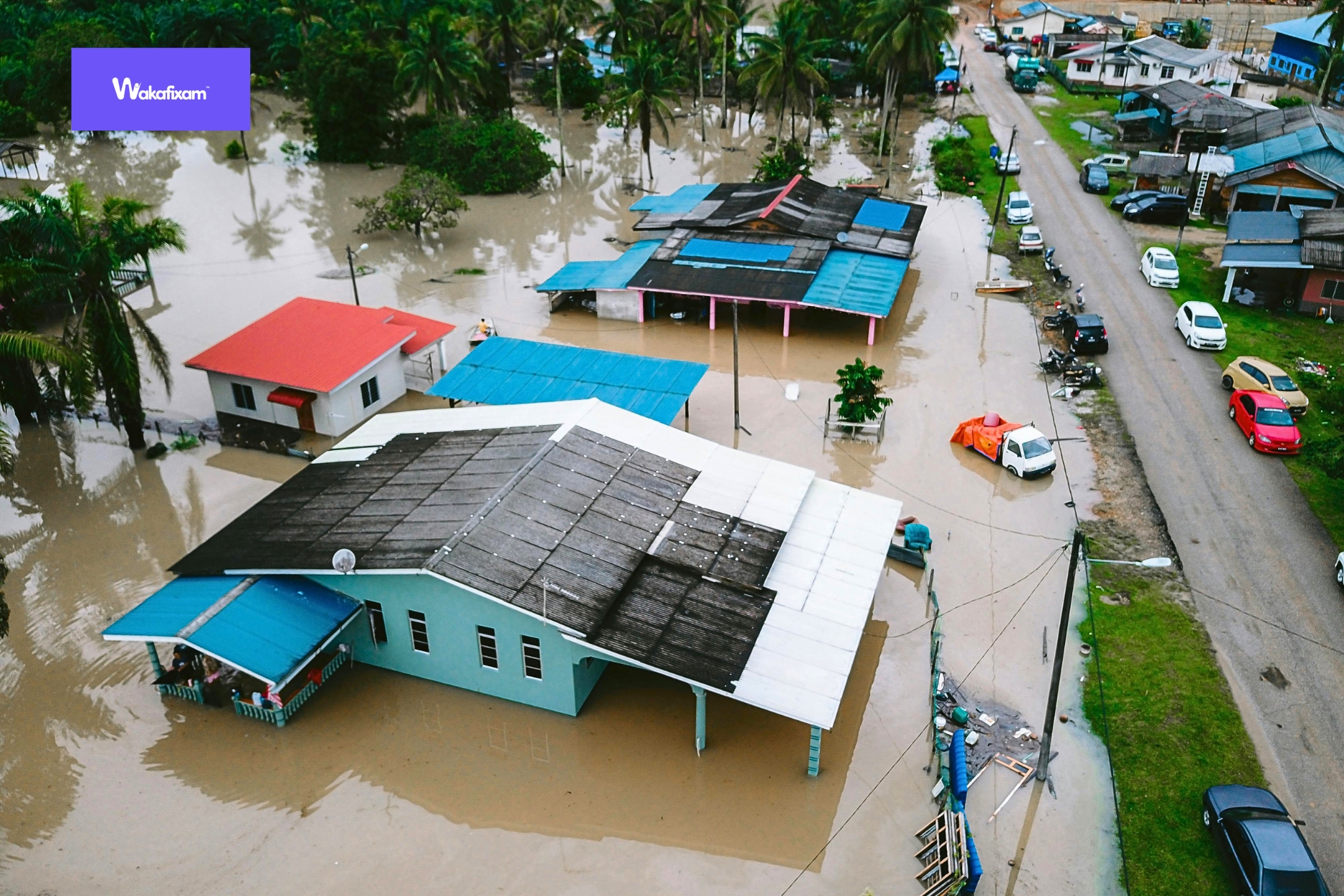
One of the biggestrainy season problems in Lagosis flooding around residential compounds. In many areas, drainage channels become blocked with plastic waste, sand, and leaves. Once heavy rainfall begins, water has nowhere to go.
Ground-floor apartments face the highest risk, especially in waterlogged areas where flooding happens after every major storm.
Common causes include:
Blocked drainage around the property
Poor ground leveling
Low building foundations
Overflowing gutters
Waste blocking nearby canals
How to stop water from entering your house during rain
Several practical steps help reduce flooding around the home:
Clear drainage channels before every heavy rainfall.
Remove leaves and debris from gutters.
Seal small gaps around doors with weather-resistant strips.
Raise valuable electronics and furniture above floor level.
Install a sump pump or pumping machine where flooding happens regularly.
Keep sandbags available if your area experiences repeated flooding.
If your compound floods after every rainfall, speak with neighbors about keeping shared drainage channels clear. One blocked section can affect every house on the street.
2. Blocked Drainage Creates Bigger Problems
Blocked drainage remains one of the biggest contributors toLagos rainy season challenges.
Water that cannot flow away begins to collect around foundations, damages walkways, attracts mosquitoes, and increases the likelihood of floodwater entering the building.
Blocked drainage solutions
Routine maintenance goes a long way.
Remove dirt and rubbish every few weeks.
Keep plastics out of drainage channels.
Trim vegetation that restricts water flow.
Report blocked public drains to the local council when necessary.
Waiting until flooding starts usually means the blockage has already become serious.
3. Leaking Roofs Become Impossible to Ignore
A roof may appear perfectly fine throughout the dry season before revealing leaks during continuous rainfall.
Even a small leak can soak ceilings, damage furniture, weaken wooden structures, and stain painted walls.
Signs of roof problems include:
Water stains on ceilings
Dripping during rainfall
Peeling ceiling boards
Damp attic spaces
Mold forming near roof corners
Leaking roof repair in Lagos
If you notice leaks:
Replace damaged roofing sheets.
Secure loose roofing nails.
Repair flashing around roof joints.
Check gutters for overflow.
Inspect ceilings after every heavy rain.
Avoid waiting until water starts pouring inside the house. Minor repairs are usually cheaper than replacing damaged ceilings.
4. Damp Walls and Mold Growth
Persistent rainfall creates excess moisture inside buildings.
Without proper ventilation, walls remain damp for weeks. Paint begins peeling, mold spreads across corners, and indoor air quality declines.
This problem appears more often in homes with poor waterproofing or cracked external walls.
How to treat mold on walls in Nigeria
Start by fixing the source of moisture rather than painting over the stains.
Helpful steps include:
Repair exterior wall cracks.
Improve indoor ventilation.
Open windows whenever weather allows.
Clean mold using suitable anti-fungal solutions.
Apply waterproofing cement or waterproof bond to affected exterior walls before repainting.
Ignoring damp walls usually allows the problem to spread deeper into the structure.
5. Electrical Surges and Frequent Power Outages
Rainfall often comes withNEPA or Disco outagesacross Lagos.
Power interruptions followed by sudden restoration increase the risk of electrical surges that can damage televisions, refrigerators, air conditioners, computers, and internet equipment.
Preventing electrical surges during rainfall
Protect expensive appliances by:
Using quality surge protectors.
Switching off sensitive electronics during thunderstorms.
Disconnecting unused appliances before long outages.
Installing voltage protection devices.
Servicing your home's electrical wiring regularly.
Homes with inverters should inspect batteries and connections before the rainy season.
Solar users should also schedule inverter and solar maintenance to ensure panels remain clean and electrical connections stay protected from excess moisture.
6. Generator Problems During Wet Weather
Generators become even more important when power supply becomes less reliable during heavy rainfall.
Unfortunately, rain also creates operating challenges.
Common issues include:
Wet spark plugs
Water entering electrical components
Fuel contamination
Poor ventilation
Rust development
Generator maintenance during the rainy season
To extend generator life:
Keep it under a well-ventilated protective shelter.
Never operate it in enclosed spaces.
Replace dirty air filters.
Service it according to the manufacturer's schedule.
Protect electrical connections from direct rainfall.
Regular servicing reduces breakdowns during extended outages.
7. Drying Clothes Takes Much Longer
Laundry quickly becomes frustrating during weeks of continuous rainfall.
Limited sunshine leaves clothes damp for days, often producing unpleasant odors.
How to dry clothes fast indoors during the rainy season
Practical methods include:
Increase airflow with standing fans.
Use indoor drying racks.
Space clothes apart instead of overcrowding them.
Place racks near windows when possible.
Wash smaller loads more often.
Proper airflow reduces moisture buildup inside the home.
8. Mosquitoes Multiply After Every Rain
Standing water becomes an ideal breeding ground for mosquitoes.
As rainfall continues across Lagos, mosquito populations increase rapidly, raising concerns about malaria.
How to stop mosquitoes during the rainy season
Reduce mosquito breeding by:
Emptying containers that collect rainwater.
Clearing gutters regularly.
Covering water storage containers.
Installing window screens.
Sleeping under treated mosquito nets.
Keeping surrounding vegetation trimmed.
Community sanitation also plays a major role in reducing mosquito populations.
9. Wall Geckos, Cockroaches, and Damp Bugs Become More Common
High humidity drives insects and small reptiles indoors.
Homes with damp walls and hidden moisture attract cockroaches, ants, wall geckos, and other pests searching for shelter.
Preventing wall geckos and damp bugs
Simple habits help limit infestations:
Repair wall cracks.
Keep kitchens dry.
Store food in sealed containers.
Reduce indoor moisture.
Dispose of household waste promptly.
Schedule pest control where necessary.
Keeping the home dry removes the conditions these pests depend on.
10. Waterborne Diseases Become a Greater Risk
Floodwater often carries sewage, waste, and harmful bacteria.
Contact with contaminated water increases the risk of illnesses, especially for children and older adults.
Protect your household by:
Drinking treated or filtered water.
Washing hands after flood cleanup.
Wearing protective footwear in flooded compounds.
Disinfecting floors exposed to floodwater.
Keeping food covered during humid weather.
Good hygiene becomes even more important during prolonged rainfall.
A Simple Rainy Season Home Maintenance Checklist
Preparing early helps prevent many common household problems during the rainy season.
Before the next heavy rainfall:
Inspect the roof for loose sheets and leaks.
Clear gutters and drainage channels.
Test sump pumps or pumping machines.
Service your generator.
Check inverter and solar systems.
Seal wall cracks.
Apply waterproofing where needed.
Trim vegetation around the house.
Stock basic cleaning and disinfecting supplies.
Keep emergency lighting fully charged.
Completing these tasks before problems develop saves both money and stress.
Final Thoughts
The rainy season is part of life in Lagos, but expensive repairs and repeated household emergencies do not have to be. Regular inspections, prompt maintenance, and good drainage management reduce many of the challenges homeowners and tenants face every year.
From flooded compounds and leaking roofs to electrical surges, mold, mosquitoes, and generator issues, most rainy season home problems begin as small maintenance concerns before becoming larger repairs.
A little preparation today protects your home, keeps your family safer, and makes the rest of the rainy season far easier to manage.