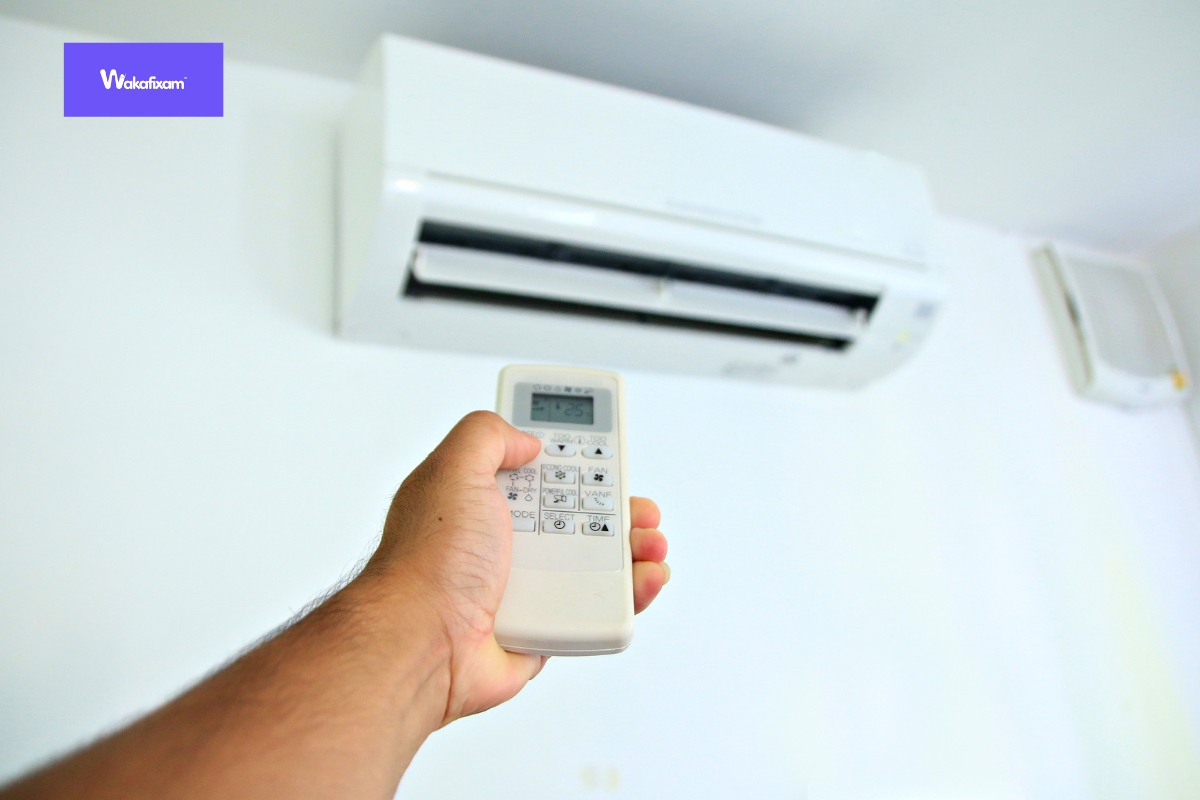
AC Not Cooling? 5 Common Reasons Your Air Conditioner Is Blowing Hot Air
You switch on the AC after a long, sweaty day, wait a few minutes, and the air coming out feels warm. Not cool, not even neutral. Just warm. At that point, frustration sets in quickly, especially when you needed that relief hours ago.
What makes it worse is not knowing whether the problem is something small you can handle or something that will cost serious money. That uncertainty often leads people to either ignore it or panic unnecessarily, and both responses tend to make things worse.
Here is the part that actually helps: most of the time, an AC that stops cooling is failing because of one of a handful of well-known causes. Once you understand which one applies to your situation, you are in a much better position to decide what to do next, whether that is a quick DIY check or a call to a technician.
Let's go through them one by one.
1. Dirty or Clogged Air Filters
This is the most common reason for poor cooling, and it is also the easiest to fix.
Every air conditioner pulls air through a filter before cooling it. That filter catches dust, hair, debris, and airborne particles, which is exactly what it is designed to do. The problem is that over time, all that accumulated buildup blocks the filter so badly that air can barely pass through it.
When airflow is restricted, your AC has to work twice as hard to push cooled air into the room. The result is weak airflow, poor temperature drops, and a unit that runs constantly without actually making the space comfortable. In some cases, you might even notice visible dust buildup around the vents or on the unit itself.
The fix here is straightforward: clean the filter if it is washable, or replace it if it is not. How often this needs to happen depends on how dusty your environment is and how frequently the unit runs, but checking it every four to six weeks is a reasonable habit to build.
Restoring proper airflow is often all it takes to bring cooling performance back to normal.
2. Low Refrigerant Levels or a Gas Leakage
This one is more technical, but it is just as common, and ignoring it tends to lead to bigger problems.
Refrigerant is the substance inside your AC that actually makes cooling happen. It absorbs heat from the air in your room and releases it outside. Without enough of it, the system simply cannot cool air properly, regardless of how long it runs.
When refrigerant levels drop, usually due to a leak somewhere in the system, you will notice that the air coming out is either warm or only mildly cool. The unit may run for much longer than usual without reaching the temperature you set. In some cases, you might notice frost forming on the pipes near the indoor unit, which sounds counterintuitive but is actually a sign of refrigerant problems.
What is important to understand here is that this is not a fix you can handle on your own. Refrigerant handling requires the right equipment and technical knowledge. A qualified technician needs to locate the source of the leak, seal it, and then refill the system to the correct level. Attempting to top it off without fixing the leak first just delays the problem.
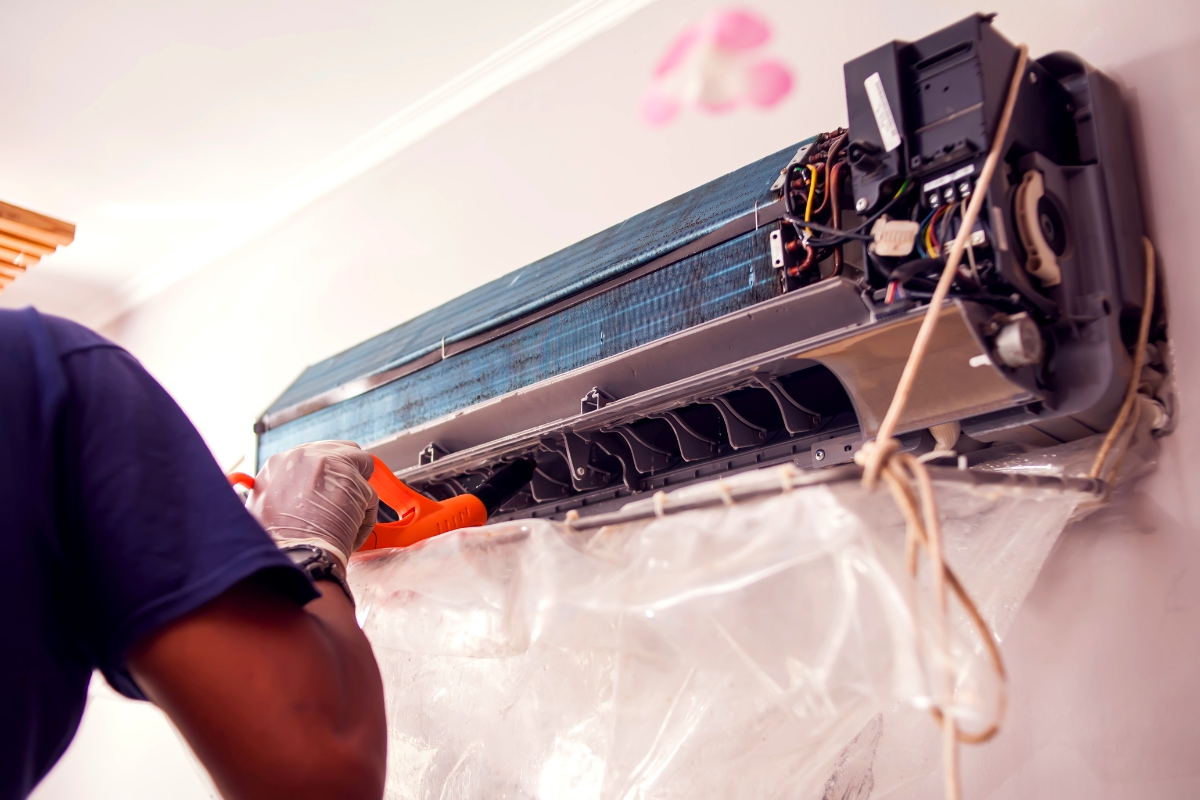
3. A Faulty Compressor
The compressor is the engine of your air conditioning system. It pressurises the refrigerant and keeps it circulating through the system, without it, the entire cooling process breaks down.
When the compressor develops a fault, the AC will run but produce absolutely no cooling. The fan might work fine and air will flow from the vents, but that air will be at room temperature or warmer. Some people spend weeks assuming it is a filter or gas issue before a technician checks and finds the compressor is the real culprit.
Compressor failure can happen for a few reasons: normal wear over many years of use, electrical faults, overheating from poor ventilation around the outdoor unit, or running the system with low refrigerant for too long (which is one reason that earlier problem should not be left unattended).
You may also notice unusual sounds - clicking, rattling, or a hard start followed by a shutdown. These are signs the compressor is struggling and needs professional attention.
This is not a cheap repair, but catching it early often means the difference between a repair and a full replacement.
4. Thermostat Issues or Incorrect Settings
Before assuming a mechanical fault, it is worth checking the most straightforward possibility: the settings on your thermostat may simply be wrong.
It sounds obvious, but this is a surprisingly frequent cause of "AC not cooling" complaints. If the mode is set to Fan instead of Cool, the unit will circulate air without activating the cooling function at all. If the temperature is set higher than the current room temperature, the system will not trigger a cooling cycle because it thinks the room is already at the target temperature.
Beyond incorrect settings, a faulty thermostat can also send the wrong signals to the unit, causing it to run at the wrong times, fail to reach the set temperature, or cycle on and off erratically. In this case, even with the right settings, cooling remains inconsistent.
Start by checking your settings carefully. If everything looks correct and the problem persists, the thermostat itself may need to be recalibrated or replaced. This is a relatively affordable fix compared to most other AC repairs.
5. Dirty Condenser Coils in the Outdoor Unit
Your AC system has two main parts: the indoor unit that blows cool air into the room, and the outdoor unit that releases the heat extracted from inside. For the system to cool effectively, both parts need to be working properly.
The outdoor unit contains the condenser coils, which are responsible for releasing that heat into the outside air. When those coils get covered in dirt, dust, leaves, or grime, which happens naturally over time, the unit cannot release heat efficiently. The result is that the indoor unit struggles to cool the air because the heat has nowhere to go.
During periods of intense heat, a dirty outdoor unit becomes even more of a problem. The unit may still be running, but it will feel like it is barely coping. You might notice the outdoor unit looks clogged or that the area around it feels unusually hot.
Cleaning the condenser coils restores the system's ability to release heat properly, which directly improves the cooling you feel inside. This is something a technician can handle during routine maintenance, another reason why regular servicing matters.
When to Call a Professional
Some of the issues above, like changing a filter or correcting thermostat settings, are things you can handle yourself. But for most of the causes on this list, a qualified technician is not optional; it is the only sensible path.
Call a professional when:
Cooling does not improve after you have cleaned the filter and checked the settings
You notice any leaking liquid around the indoor or outdoor unit
There are unusual sounds coming from either unit
The AC trips your circuit breaker repeatedly
The unit runs but the temperature never drops
Waiting too long with any of these signs usually means a more expensive repair later. What starts as a refrigerant leak or a struggling compressor can escalate into full system damage if the unit keeps running without intervention.
Early diagnosis saves money. It also saves you from enduring more weeks of warm air while the problem quietly gets worse.
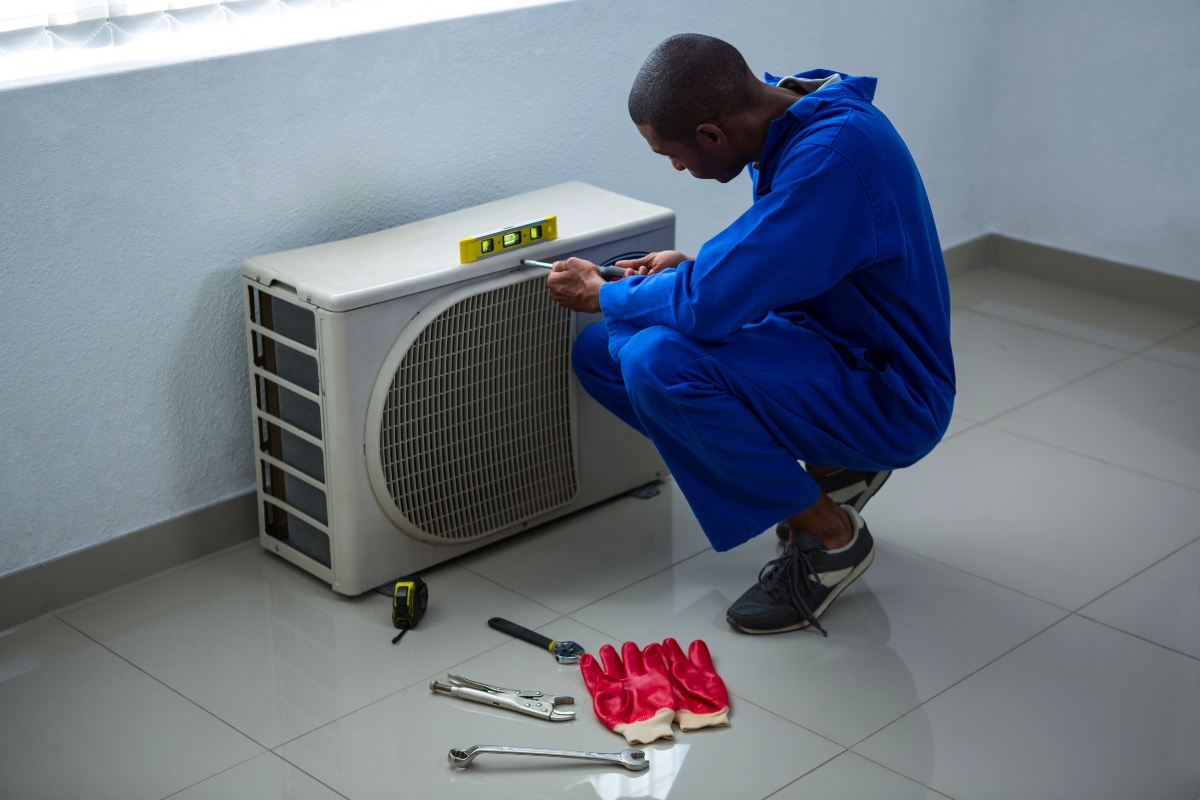
How to Get Your AC Fixed Faster with Wakafixam
Even after diagnosing the problem, many people hit another wall: finding a reliable technician quickly. Searching online can bring up outdated contacts, unresponsive numbers, or technicians who are too far away to be practical.
Wakafixam removes that friction.
On the platform, you post your issue, in this case, an AC that is not cooling, and nearby, verified AC technicians respond directly to you. Instead of calling five different numbers and waiting on each one, you get multiple responses in one place and can compare them before making a decision.
For urgent repairs, the speed of that process makes a real difference. You are not left managing the heat while a technician maybe calls back eventually. You get faster responses, clearer options, and the ability to move forward on your own terms.
Don't Wait Until It Gets Worse
An AC that is blowing warm air is not going to fix itself. In the few cases where the problem is minor, a dirty filter, a wrong thermostat setting, it is easy to resolve quickly. But for everything else on this list, waiting only increases the damage and the eventual cost of repair.
Knowing the likely cause puts you ahead of the problem. You can describe the symptoms clearly, ask the right questions, and avoid being talked into repairs you do not need.
Get it checked early. The longer a faulty AC runs without proper attention, the more expensive the eventual fix tends to be.